
How should tilers adapt their methods in cold weather?
As winter approaches and temperatures begin to drop, tilers must adapt their working methods to avoid failures, delays and compromised results. Cold conditions have a direct impact on cement based and epoxy products, making temperature awareness essential for safe installation and long term performance.
Minimum Temperature Requirements
Tiling should only begin when both the air temperature and the floor or wall background temperature are at least 5°C and rising.
The phrase “and rising” is vital — beginning work at 5°C is not advised if the temperature is expected to fall later in the day or overnight.
In open plan or new build environments, the background temperature may stay below 5°C even when the air warms slightly, so substrate checks should always be carried out before starting work.
How Cold Weather Affects Installation Products
Cold temperatures can significantly:
- Extend working and open times
- Lengthen drying and curing times
- Slow the cement hydration process
- Increase the risk of efflorescence forming in grout
- Damage products if they freeze during early curing
These effects are clearly noted in the original guidance, which highlights that curing times can be drastically extended in low temperatures — in some cases, adhesives may still not be fully cured even after seven days compared with approximately 24 hours at 20°C.
Choosing Suitable Adhesives (Including BAL Products)
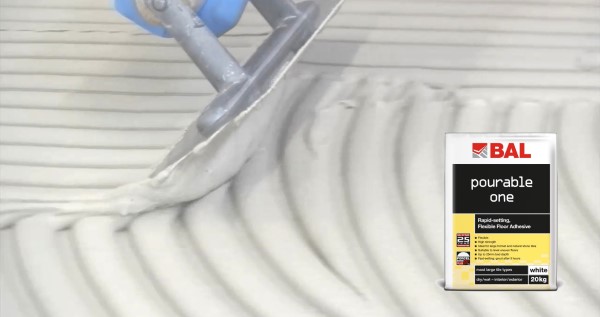
In colder conditions, standard setting adhesives may struggle to cure within a reasonable timeframe. The document recommends switching to rapid setting or semi rapid adhesive types to ensure timely progress.
Examples listed include:
These types of adhesives help ensure you can grout without worrying whether the adhesive has sufficiently set, and they offer longer working/open times compared to competitor materials.
Levelling in Cold Weather
Cold conditions also extend the setting times of levelling compounds, especially when used on cold concrete bases. The original guidance suggests switching to a rapid setting leveller when conditions are particularly cold.
Primers, Preparation & Water Temperature
Low temperatures similarly increase the drying times of primers and other preparation products, so additional time must be built into the schedule.
Never Attempt to Force Drying
Mixing adhesives, levellers or grouts with warm/hot water must be avoided, as it can cause flash setting and reduce long term performance. Instead, clean cold water that has been allowed to reach room temperature naturally is recommended.
Underfloor Heating (UFH) Protocols
Where UFH is present, it should be commissioned at 5°C per day up to the manufacturer’s maximum before tiling begins.
In cold weather, turn the heating down to 15°C before installation starts.
In spaces without UFH, alternative heating sources can be used to bring the room up to the required minimum temperature — but avoid direct heat on any tiling products or surfaces.
Screed Drying Considerations
Cold weather slows the drying process of screeds, particularly those without underfloor heating installed. Typical guidance for liquid screeds is:
- 1mm per day up to 50mm
- 2 days per mm beyond 50mm
Though this can vary, so requesting a moisture test is strongly advised before tiling begins.
Proper Storage of Tiling Materials
Products should never be left outside or stored in vans overnight during cold weather. Freezing temperatures can damage adhesives, primers and other materials, reducing their performance or rendering them unusable. There have even been instances of primers freezing in vans.
Where possible:
- Store materials indoors in dry, heated conditions
- If that’s not possible, bring products indoors several hours before use to bring them up to room temperature
On Site Help and Technical Support
A nationwide team of experienced Training and Technical Support Managers is available to help assess conditions, provide moisture testing and offer in person project guidance. Support includes on site Carbide Bomb tests when required.
They can be contacted on 03330 030160 or via the email addresses provided in your document.